
Solar is entering a new chapter in 2026, especially for Florida homeowners. With the federal residential clean energy tax credit no longer available for qualifying expenditures after December 31, 2025, homeowners are looking more closely at solar leases, third-party-owned systems, financing, and long-term savings. The key is finding an option that fits your home, budget, and electricity usage.
The Biggest Change in 2026: The Federal Solar Tax Credit
For years, the 30% federal Residential Clean Energy Credit helped homeowners reduce the cost of eligible solar installations.
That credit is no longer available for qualifying residential clean-energy expenditures made after December 31, 2025. Homeowners considering solar in 2026 should therefore compare proposals using the actual price and contract terms rather than assuming the former tax credit will apply. IRS Residential Clean Energy Credit.
Does this mean solar is no longer worth it? Not necessarily. Solar can still help homeowners reduce electricity purchases, but the financial benefits depend on system costs, utility rates, energy use, and the agreement they choose.
Florida Solar Installations Continue to Grow
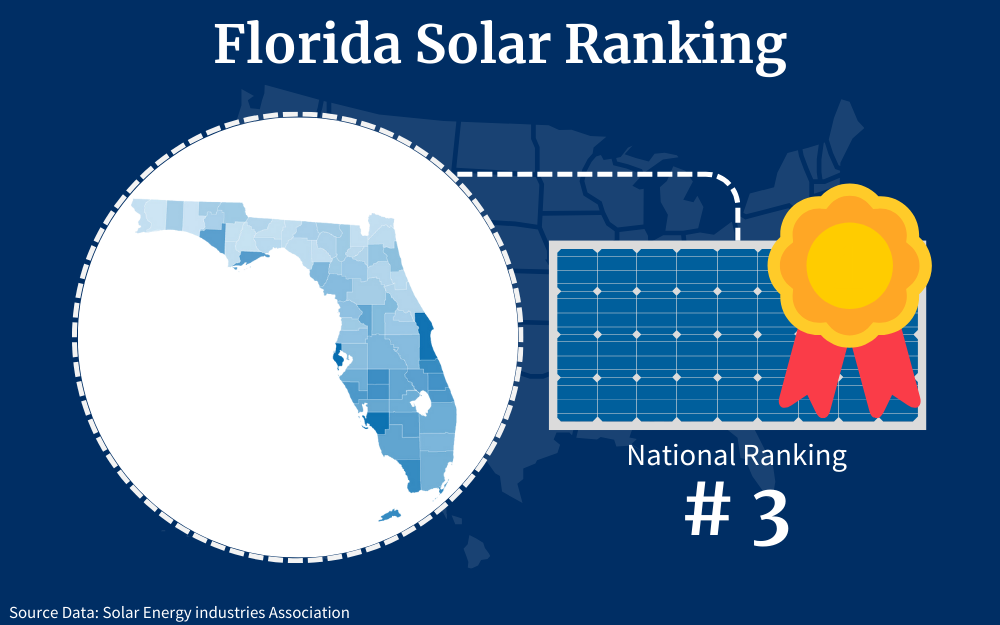
Florida homeowners continue to adopt customer-owned renewable energy systems. According to the Florida Public Service Commission, statewide customer-owned renewable-energy interconnections increased approximately 9% in 2025, from 292,284 to 319,068.
That growth shows continued interest in generating electricity at home, although it does not guarantee that every installation will deliver the same savings. Florida Public Service Commission renewable-energy update.
Why Are Homeowners Exploring Solar Leases and Other Financing Options?
Homeowners who do not want to pay the full installation cost upfront may consider solar loans, leases, or prepaid leases.
Depending on the provider and agreement, these options may offer:
- Lower upfront costs than a cash purchase.
- Predictable payments, depending on the contract.
- Maintenance or monitoring from the provider under certain agreements.
- Different ownership and buyout options.
Some third-party-owned systems may qualify for business-level tax incentives. However, homeowners should not assume those incentives automatically reduce their payments. Ask the provider to explain any incentive reflected in the quote and review the total contract cost. Learn more about paying for solar panels in Florida with cash, loans, or leases.
How Do Electricity Rates and Utility Rules Affect Solar Savings?
Your electricity bill is an important starting point when evaluating solar. The more electricity your home uses while your panels are producing power, the more opportunity you may have to offset electricity purchases.
However, your utility’s rules also matter. Florida homeowners served by FPL, Duke Energy Florida, TECO, OUC, KUA, and other utilities should confirm their applicable interconnection requirements and excess-energy credit policies before installation.
Solar does not automatically eliminate your electric bill. You may still pay fixed utility charges or purchase electricity when your system does not produce enough.
For details, read our guide to Florida net metering in 2026.
Is 2026 a Good Time to Go Solar?
It can be, provided the numbers work for your household. Instead of relying on broad promises about future electricity rates or guaranteed savings, compare actual proposals and ask each provider to explain the assumptions behind its estimates.
Before signing, consider:
- Your current electricity usage and utility bills.
- The total system price and financing costs.
- Estimated annual solar production.
- Payment increases, fees, and contract length.
- Warranty and maintenance responsibilities.
- Ownership, buyout, and home-sale requirements.
- Whether battery backup is worth the additional cost for your needs.
A battery may help power selected household circuits during an outage when paired with suitable backup equipment. It is a separate investment, so consider your backup needs and budget before adding one.
You can also explore our guide to solar panel costs in Florida in 2026.
Why Choose Solar Near Me?
Solar Near Me helps Florida homeowners compare solar proposals, financing options, and installation companies. Rather than relying on a single quote, homeowners can explore available options and choose a solution based on their property, energy needs, and budget.
We help homeowners evaluate:
- Solar installation options from multiple providers.
- Cash, loan, lease, and prepaid lease arrangements where available.
- Battery backup and other home energy solutions.
- Potential savings based on their electricity usage and proposal details.
Availability, eligibility, pricing, and contract terms vary by home and provider.
Ready to Explore Your 2026 Solar Options?
You do not have to compare solar proposals alone. Solar Near Me can help you review available options and understand the costs, financing, and potential savings for your Florida home.
Get a free solar estimate and explore your options.
Solar Near Me helps Florida homeowners compare solar companies, proposals, financing options, and home energy solutions.